Initial Situation
Brain injuries are among the leading causes of death and permanent disability worldwide. Real-time bedside monitoring of critical brain parameters, such as cerebral blood flow and brain tissue oxygen saturation, helps to identify warning signs early and make well-founded therapeutic decisions. Luciole Medical had developed a reliable neuromonitoring system, but it was the size of a control cabinet—far too large for the intensive care unit or operating room. The goal was to reduce it to the size of a palm while simultaneously meeting medical standards.

The Contribution of SCS
SCS developed the miniaturized RheoControl spectrometer in collaboration with Luciole Medical, the University Hospital Zurich, the University of Zurich, and ETH Zurich. SCS supported the system from requirements engineering and system design through hardware and firmware to the certification process and production.
Result
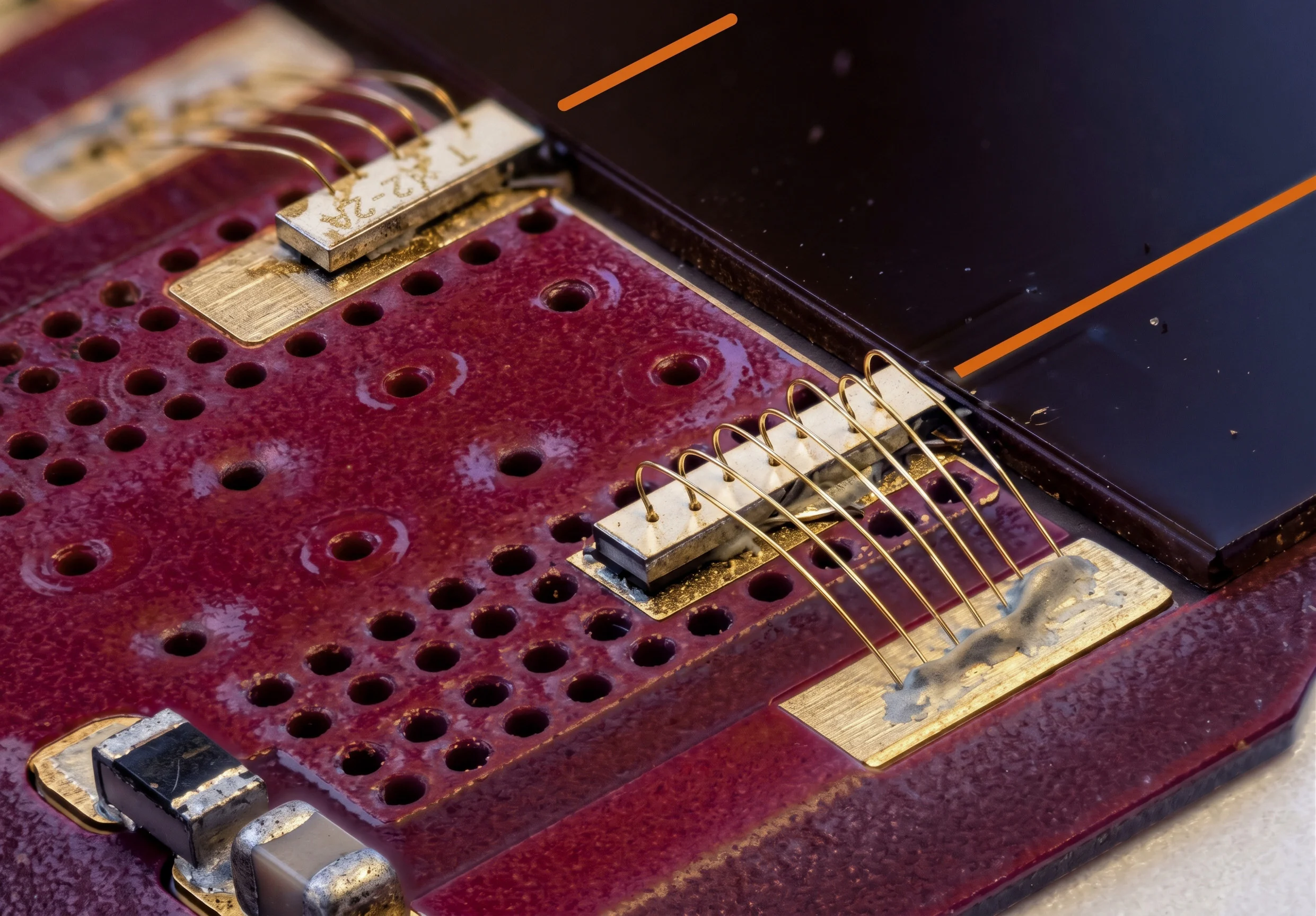
RheoControl now requires only a fraction of the space of the original system and is fully controlled via USB. The spectrometer supports both the minimally invasive RheoSens probe and the non-invasive RheoPatch for different forms of neuromonitoring and has been in use in hospitals since 2017. SCS was responsible for significant parts of the development, including requirements engineering, system design, hardware, firmware, and software, as well as calibration tools, and supported the certification process and CE-compliant labeling in production.
Control Cabinet to Palm
Miniaturization to a fraction of the original space requirement.
Class IIa
CE-marked medical device.
Since 2017
In use in hospitals.